How to Import Frozen Beef Omasum in Bulk | Buyer's Guide
A practical guide for B2B buyers importing frozen HALAL beef omasum. Learn about product quality, import documents, refrigerated shipping and CIF quotations.
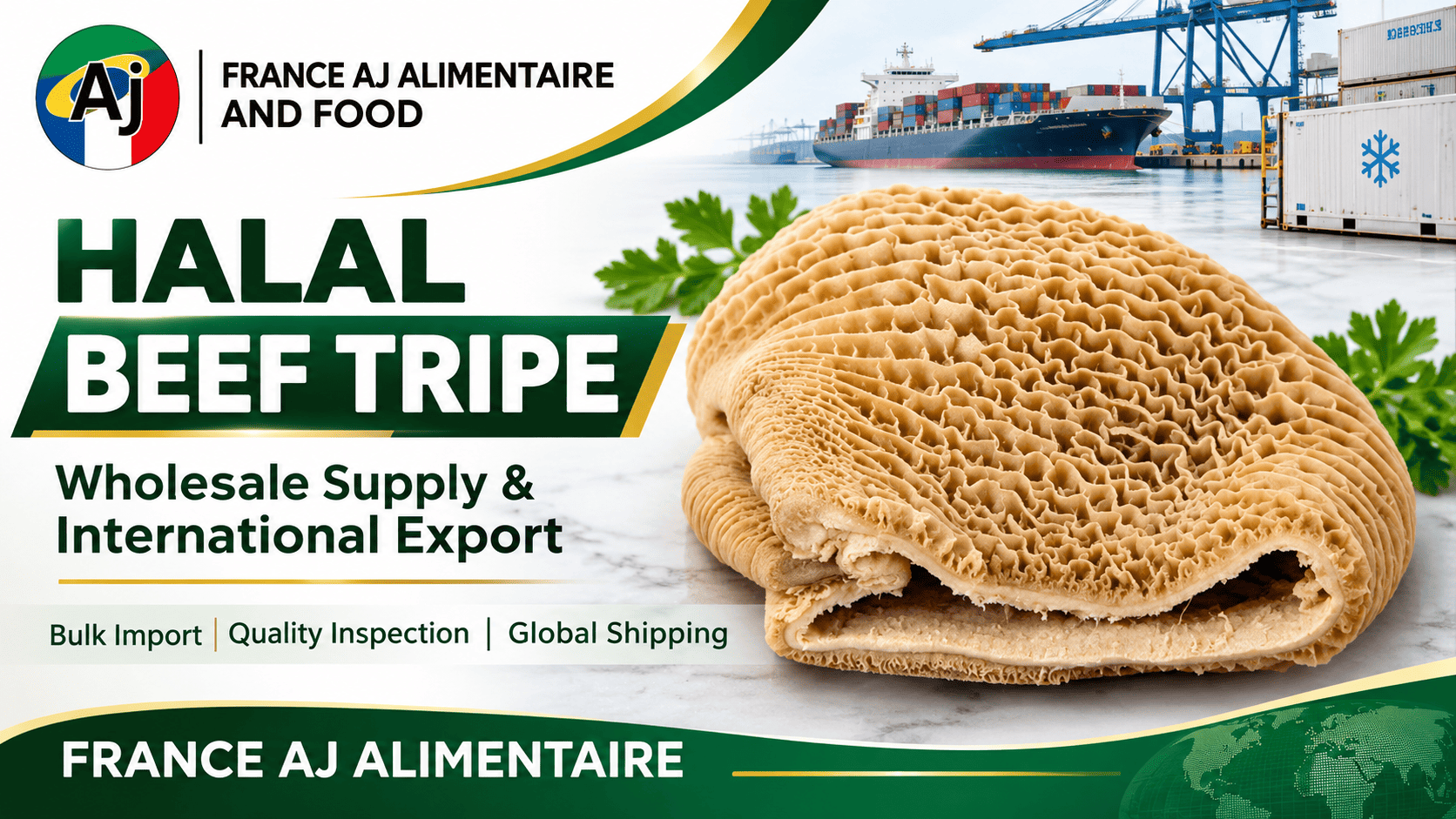
How to Import Frozen Beef Omasum in Bulk: A Practical Buyer's Guide
Importing frozen beef omasum in bulk requires more than finding a supplier and comparing prices. International buyers must confirm product quality, HALAL documentation, import permissions, frozen shipping conditions, and commercial terms before placing an order.
For food importers, wholesalers, distributors, and procurement managers, missing information can lead to customs delays, unexpected costs, or products that do not meet purchasing requirements.
This guide explains how to import frozen beef omasum, what buyers should check before shipment, and how to prepare a complete commercial quotation request.
1. What Should Buyers Check Before Importing Frozen Beef Omasum?
Before requesting a commercial offer, buyers should prepare a clear purchasing checklist.
- Product identity: Confirm bovine omasum, also called book tripe.
- Product condition: Specify the required cleaning and freezing method.
- Country of origin: Confirm the exporting country and import eligibility.
- Order quantity: State metric tons or the required number of containers.
- Packaging: Confirm carton weight, material, and labelling requirements.
- HALAL requirements: Request valid certification applicable to the product.
- Import documents: Confirm all destination-country requirements.
- Delivery terms: Specify the destination port and agreed Incoterm.
- Shipment period: Provide the preferred shipping date.
- Payment terms: Agree on the payment method and banking documents.
Preparing this information helps buyers compare offers and avoid misunderstandings before confirming a contract.
2. How to Confirm the Correct Beef Omasum Product
Beef omasum comes from the third compartment of a cow's stomach. Its internal folds resemble the pages of a book.
It is different from honeycomb tripe, which comes from the second stomach compartment, called the reticulum. Buyers should confirm the exact product rather than relying only on the general name "beef tripe."
What to Request from the Supplier
- Full product name and anatomical identification.
- Recent photographs of the actual product offered.
- Technical product specification sheet.
- Cleaning and processing details.
- Freezing and packaging information.
- Country of origin.
- Available inspection and batch documents.
Buyer tip: Include the exact product description in the purchase order and commercial contract.
3. Frozen Beef Omasum Quality Inspection
Frozen beef omasum quality should be evaluated against an agreed written specification. General descriptions such as "premium quality" or "export grade" are not enough to confirm product suitability.
Physical and Processing Checks
- Appearance: Compare the product with approved reference photographs.
- Cleaning: Confirm the required cleaning condition.
- Foreign material: Check agreed quality limits.
- Freezing: Confirm suitable handling and frozen condition.
- Packaging: Verify carton condition and sealing.
- Traceability: Check batch numbers, dates, and origin information.
- Shelf life: Confirm the remaining shelf life upon arrival.
Independent Inspection
Depending on the purchase contract, buyers may arrange an independent inspection before shipment.
The inspection may include product identification, carton counts, packaging checks, temperature measurements, and a review of available shipment documents.
Important: Visual inspection does not replace veterinary controls, laboratory testing, or legally required food safety documentation.
4. HALAL Certificates and Import Documents
HALAL compliance is an important purchasing requirement for many international beef importers. However, certification rules differ between countries.
Buyers should confirm whether the issuing HALAL certification body is accepted by the destination market before placing an order.
HALAL Documentation
- HALAL certificate identifying the relevant product.
- Information about the certification body.
- Relevant slaughterhouse or processing establishment information.
- Certificate validity and applicable scope.
- Shipment-specific HALAL documents when required.
Commercial and Veterinary Documents
Depending on the exporting and importing countries, required documents may include:
- Commercial invoice.
- Packing list.
- Certificate of origin.
- Bill of lading.
- Veterinary or sanitary health certificate.
- Import permit or official approval.
- Certificate of analysis, when required or agreed.
- Additional destination-specific customs documents.
Why Import Approval Matters
Some countries restrict imports from certain origins or processing establishments. The importer should verify that the destination country accepts the proposed product, origin, and establishment before shipment.
5. Frozen Packaging and Refrigerated Shipping
Frozen beef omasum is a temperature-sensitive food product. Proper packaging and cold-chain management are essential during loading, international transport, and delivery.
Packaging Requirements
- Net and gross carton weight.
- Carton dimensions.
- Food-grade inner packaging.
- Product identification and batch labels.
- Country-of-origin markings.
- Required language and import labels.
- Palletisation details, where applicable.
Reefer Container Shipping
Frozen beef products are commonly transported in refrigerated containers, also called reefer containers.
France AJ Alimentaire's published beef omasum product information specifies frozen storage at -18°C. Final shipping temperatures must follow the agreed product specification and applicable regulations.
Before loading, confirm:
- Reefer container condition and suitability.
- Required temperature settings.
- Product temperature before loading.
- Loading procedures.
- Temperature-monitoring arrangements.
- Estimated transit time.
- Destination handling requirements.
A reefer container maintains suitable transport conditions. It should not be used as a replacement for properly freezing the product before loading.
Container Loading Capacity
Actual loading capacity depends on container payload limits, carton dimensions, packaging configuration, and transport requirements.
Buyers should request a confirmed loading plan before finalising the shipment quantity.
6. Understanding CIF Quotations for Beef Omasum
CIF means Cost, Insurance and Freight.
Under CIF Incoterms 2020, the seller arranges and pays for the agreed freight and insurance to the named destination port.
However, the risk of loss or damage normally transfers to the buyer when the goods are loaded on board the vessel at the shipment port.
CIF does not automatically include import duties, destination customs clearance, or every charge after arrival.
What Affects a CIF Quotation?
- Country of origin.
- Product grade and processing requirements.
- Order quantity.
- Packaging configuration.
- Destination port.
- International freight conditions.
- Shipment period.
- Insurance arrangements.
- Inspection and documentation requirements.
How to Compare Supplier Offers
Buyers should compare more than the price per metric ton. Confirm that offers include the same product, quality, origin, packaging, documentation, and delivery conditions.
A lower quoted price does not always mean a lower total landed cost.
7. Common Mistakes When Importing Frozen Beef Omasum
Mistake 1: Ordering the Wrong Product
Beef omasum may be confused with honeycomb tripe. Confirm the anatomical product using technical descriptions and actual product photographs.
Mistake 2: Not Checking Import Eligibility
The proposed origin or processing establishment may not be approved for the destination country. Verify import eligibility before contract confirmation.
Mistake 3: Accepting Incomplete Documents
Missing or inconsistent documents can cause customs delays. Agree on the required document list before shipment.
Mistake 4: Comparing Only the CIF Price
Different suppliers may offer different specifications, packaging, or shipping arrangements. Compare the complete purchasing conditions.
Mistake 5: Ignoring Cold-Chain Requirements
Temperature problems can affect product safety and quality. Agree on loading, freezing, transportation, and monitoring procedures before shipment.
Mistake 6: Leaving Commercial Terms Unclear
Unclear inspection, payment, and delivery conditions can create disputes. Confirm essential terms in writing.
8. How to Prepare a Professional Beef Omasum Purchase Enquiry
A complete enquiry helps suppliers understand purchasing requirements and prepare a more accurate commercial offer.
- Product: Frozen HALAL Beef Omasum / Book Tripe.
- Quantity: Required metric tons or containers.
- Destination: Country and discharge port.
- Preferred origin: If applicable.
- Quality: Required product and cleaning specifications.
- Packaging: Carton weight and packaging preferences.
- Certification: HALAL and veterinary requirements.
- Shipment: Requested delivery period.
- Trade term: CIF or another agreed Incoterm.
- Payment: Proposed payment and banking conditions.
Buyers should also identify special import regulations or labelling requirements applicable to their market.
9. Frequently Asked Questions
What is frozen beef omasum?
Frozen beef omasum is the third stomach compartment of cattle, prepared and frozen for food use according to the applicable product specification and food safety requirements. It is also called book tripe.
Is beef omasum the same as honeycomb tripe?
No. Omasum comes from the third stomach compartment. Honeycomb tripe generally comes from the second compartment, called the reticulum.
What documents are needed to import frozen beef omasum?
Requirements vary by destination. Documents may include a commercial invoice, packing list, bill of lading, veterinary health certificate, certificate of origin, HALAL certificate, and import permit.
What temperature is required for frozen beef omasum?
The required temperature depends on the product specification and applicable food safety rules. France AJ Alimentaire's published product information lists storage at -18°C.
Can beef omasum be imported under CIF terms?
Yes, where the buyer and seller agree on CIF terms for the relevant sea shipment. The agreement should identify the named destination port and applicable Incoterms version.
How can buyers request a wholesale quotation?
Buyers should provide the required quantity, destination port, product specifications, packaging needs, preferred shipment period, and documentation requirements.
10. Request a Frozen HALAL Beef Omasum Quotation
France AJ Alimentaire works with international B2B buyers seeking information on frozen beef products and potential wholesale sourcing arrangements.
If your company plans to import frozen HALAL beef omasum, our commercial team can review your requirements and discuss available sourcing options, subject to supplier availability, import eligibility, and final commercial confirmation.
Before requesting a quotation, prepare your quantity, destination port, technical specifications, and shipment period.
View HALAL Beef Omasum Product Information
Review the product details and available commercial information.
Important notice: Product availability, origin, certifications, shipping conditions, and pricing are subject to final supplier confirmation. Import regulations vary by destination country. Buyers should verify all regulatory requirements before entering into a transaction.